Simplifying power for efficient container shipping
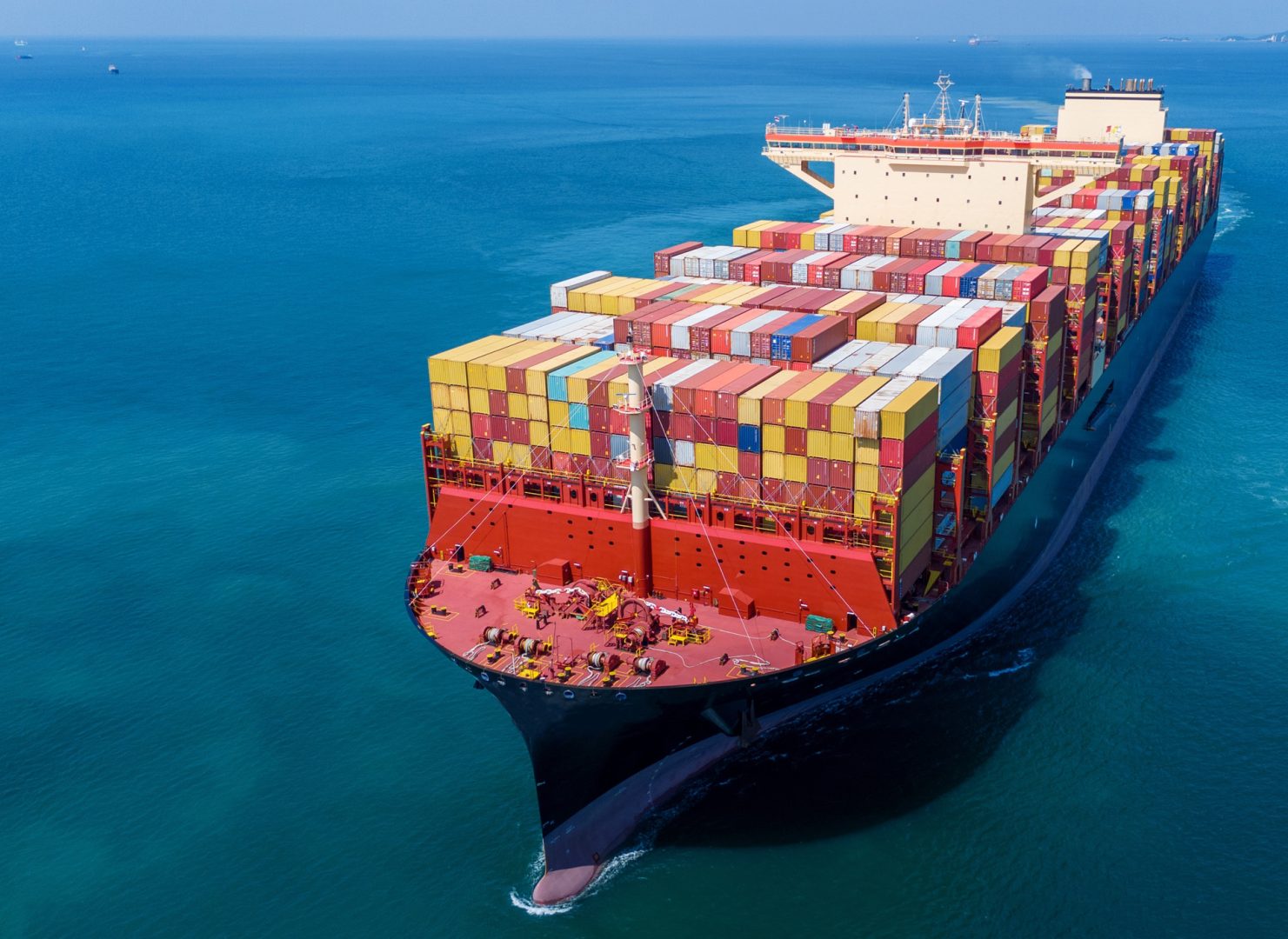
Container vessels operate across a wide range of speeds, from slow steaming on long voyages to higher speeds when schedules need to be maintained. At the same time, reefer containers can create significant swings in onboard electrical demand depending on the number of containers carried.
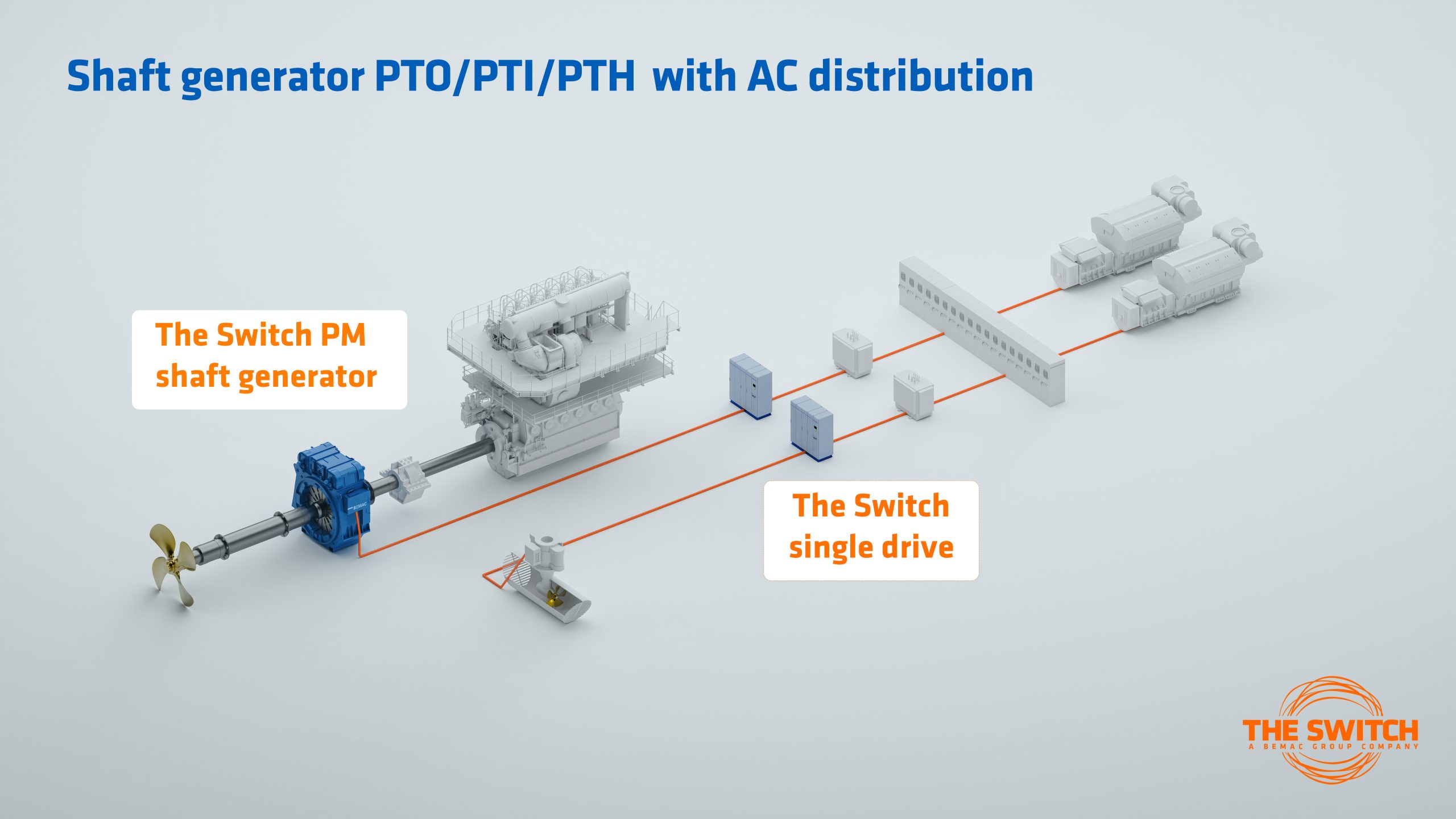
The Switch’s proven power electronics are designed to handle these fluctuating operating conditions with ease. Variable-speed shaft generators with frequency-converter technology keep power generation efficient across changing engine speeds, helping reduce fuel consumption and emissions on every voyage – and across fleets.
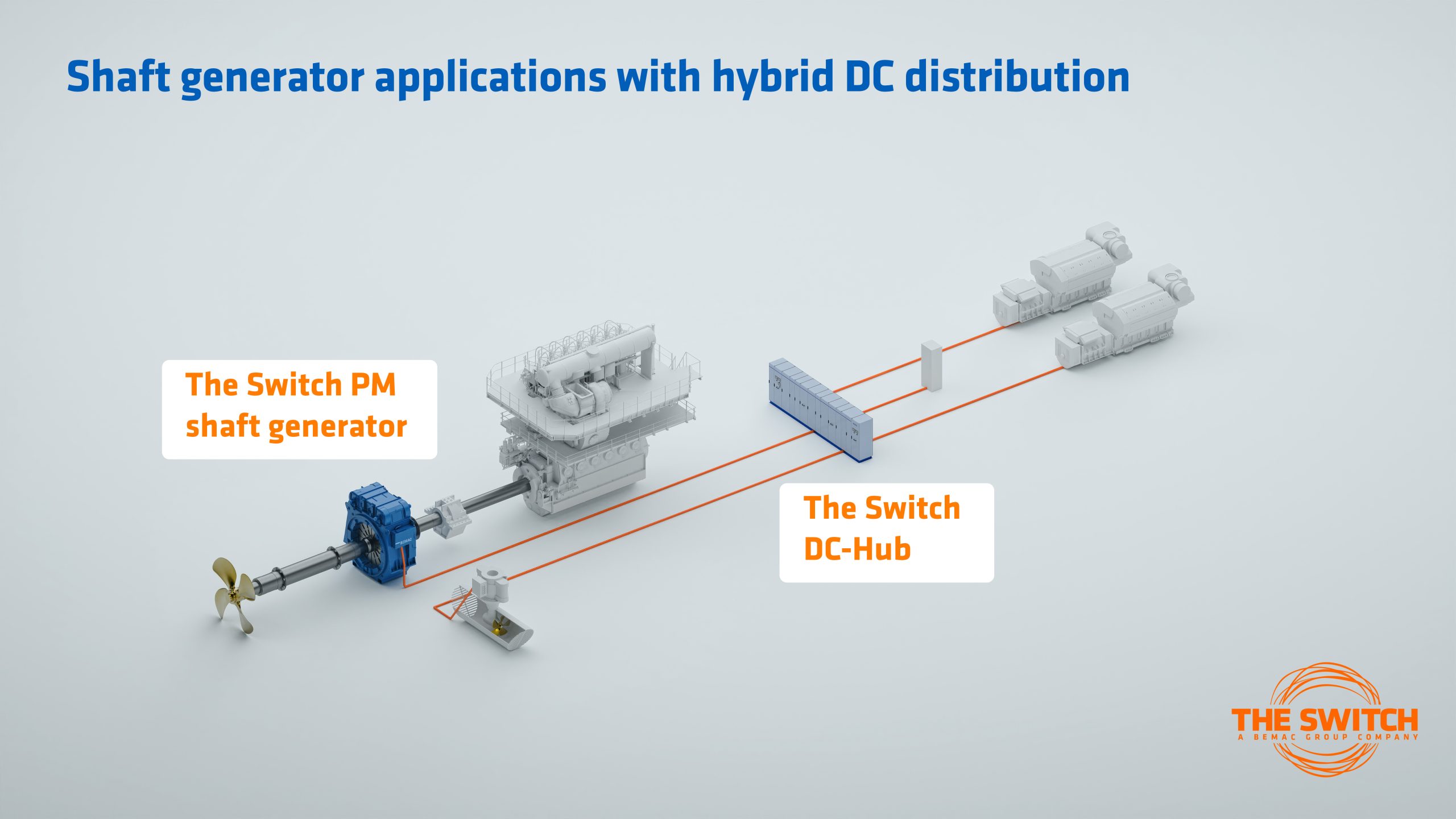
Combined with electric propulsion and advanced DC power distribution technology, the offering well supports these vessels’ reliability and flexibility – both now and into the future. And when supplied as a complete package, it also simplifies system integration and reduces the number of suppliers involved.

Approximately 30% of all newbuild container vessels with 2-stroke engines choose permanent magnet shaft generator technology to slash fuel costs.
Marine solution concepts
References
MPC Container Ships, Norway
Background
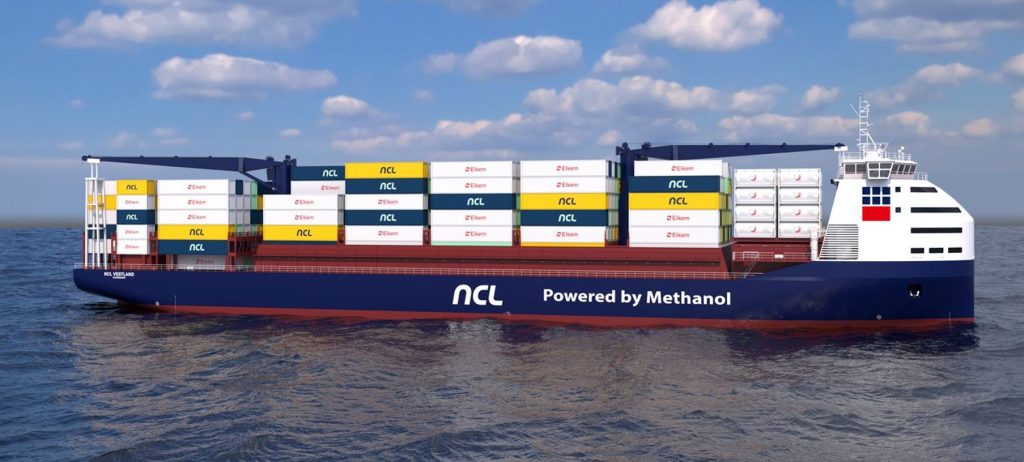
MPC Container Ships is developing a new generation of container feeder vessels designed to support the maritime industry’s transition to low-carbon operations. The 1,300 TEU vessels will operate on green methanol and combine advanced propulsion technologies to significantly reduce emissions while maintaining efficient cargo transport.
Solution
The vessels feature an integrated The Switch DC-Hub and shaft generator solution, creating an efficient and flexible onboard power system optimized for next-generation, low-emission shipping. The project has received support from Norwegian Enova and the NOx Fund, recognizing its role in advancing innovative decarbonization technologies.
Results
The vessel concept is expected to reduce emissions by up to 95% compared to conventional solutions, supporting ambitious sustainability targets for the shipping industry. As of June 2024, two vessels had been ordered, demonstrating strong market confidence in low-emission feeder shipping powered by alternative fuels and advanced electrical integration.