Powering the future of bulk and product carriers
The future of bulk and product carriers depends on efficient power systems that can adapt to changing fuel and emissions requirements. Whether reducing fuel consumption, integrating energy storage or preparing for alternative energy sources, shipowners need shaft generator and propulsion technologies that are ready for the next step.
However, with these vessels designed to maximize cargo capacity, power systems need to be as compact as possible while efficiently handling intermittent peak loads. These range from cargo cranes and conveyors to pumping, cargo heating and tank cleaning, and the system must handle them without being oversized for the rest of the voyage.
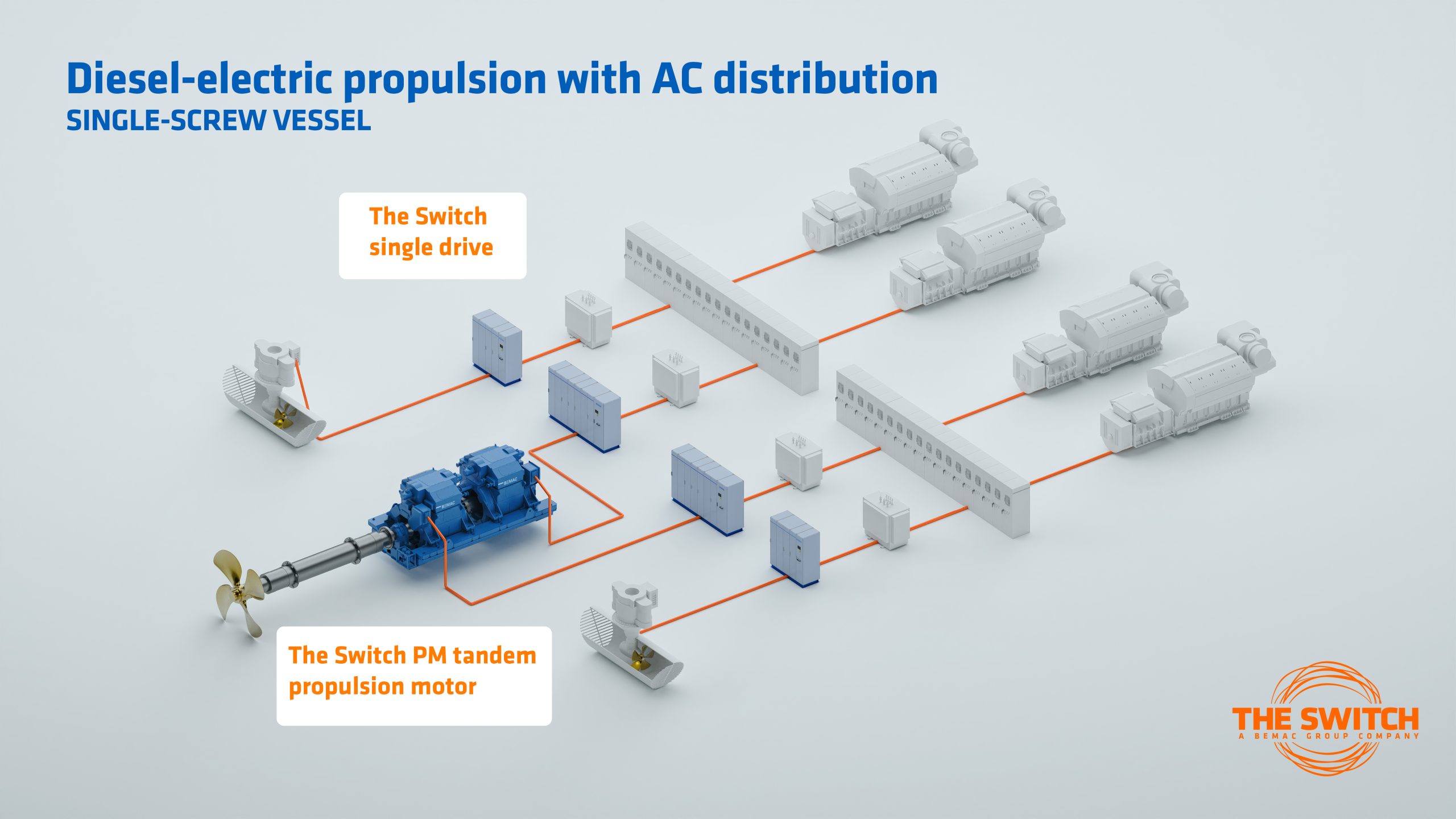
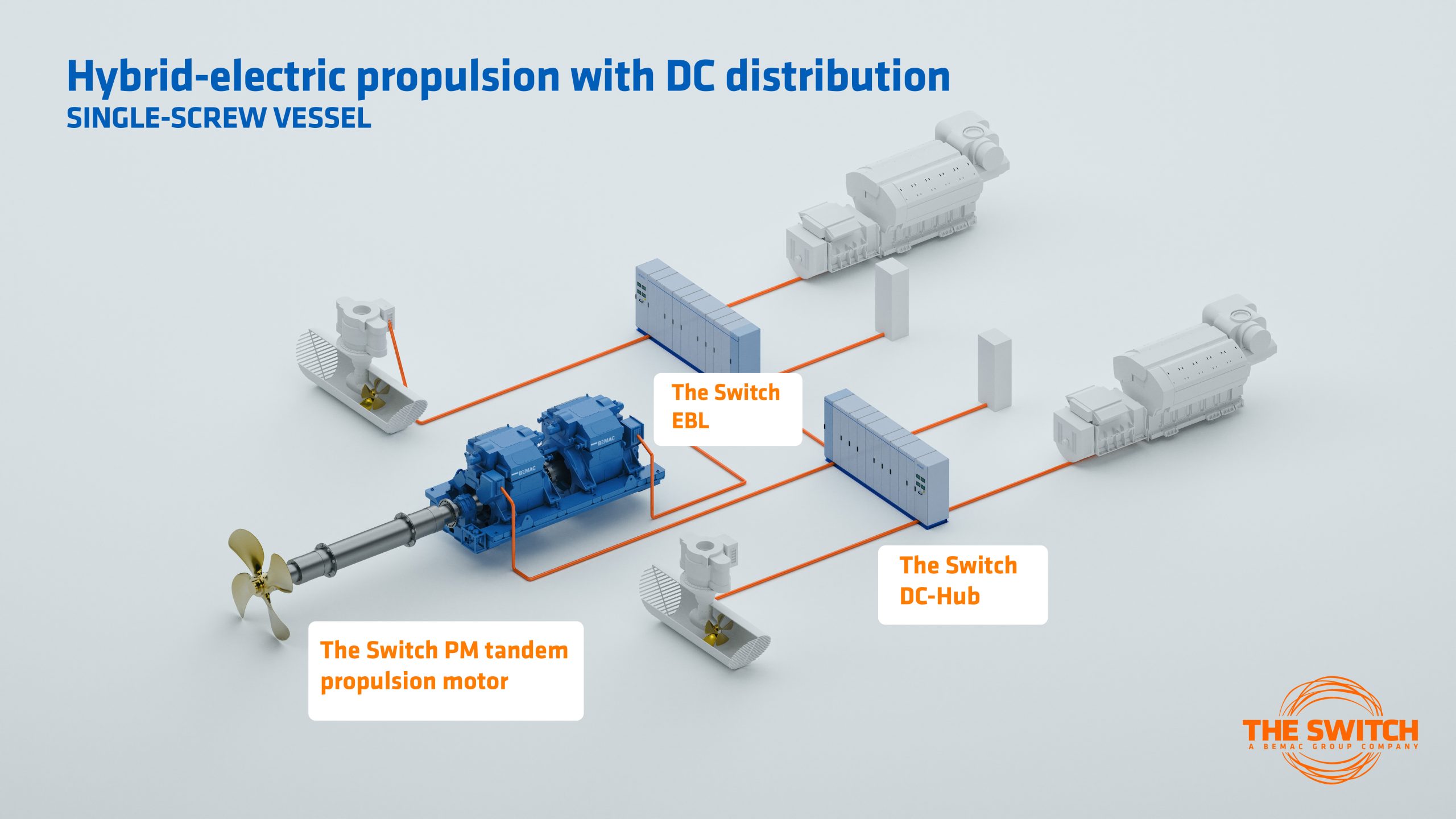
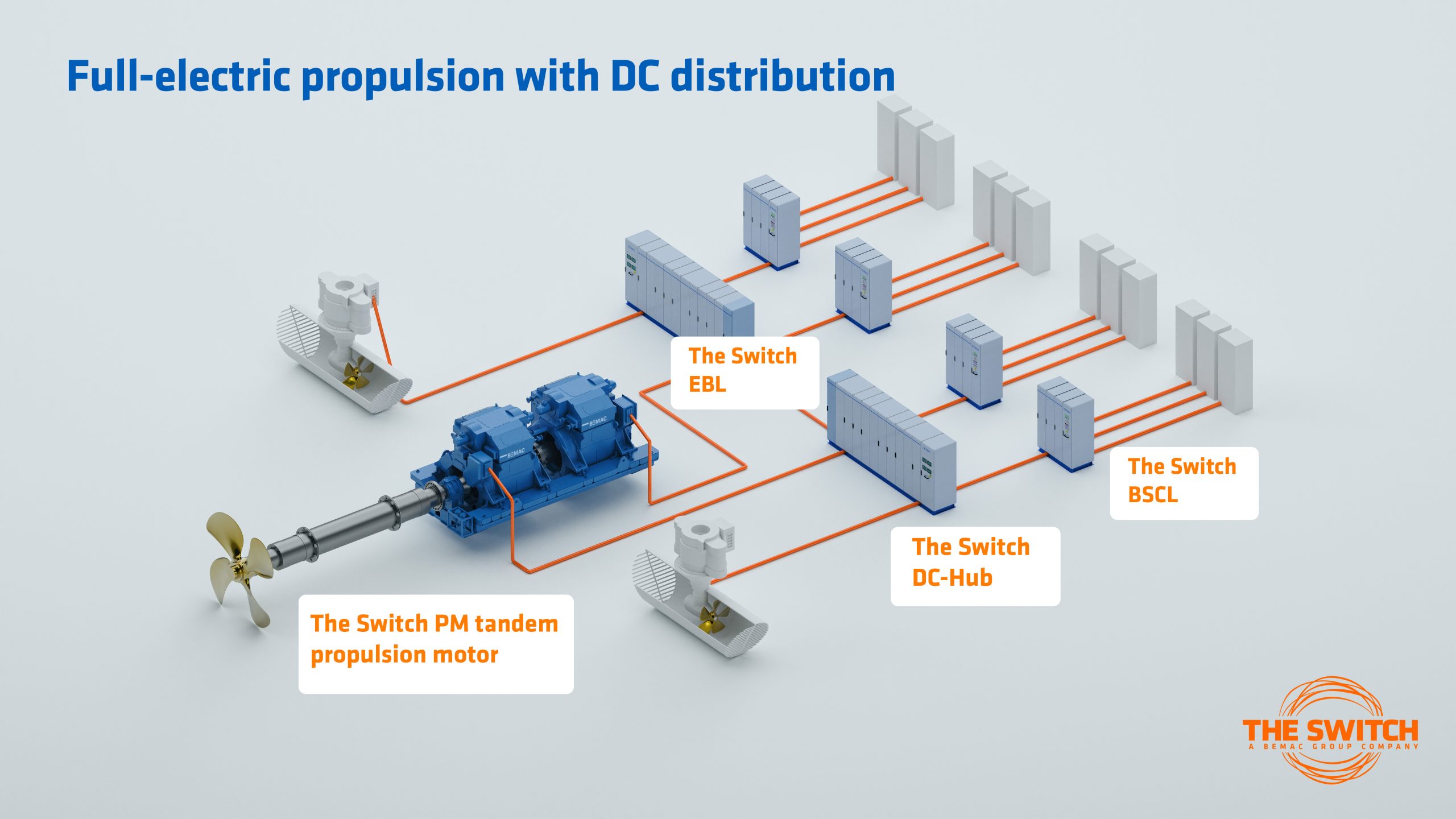
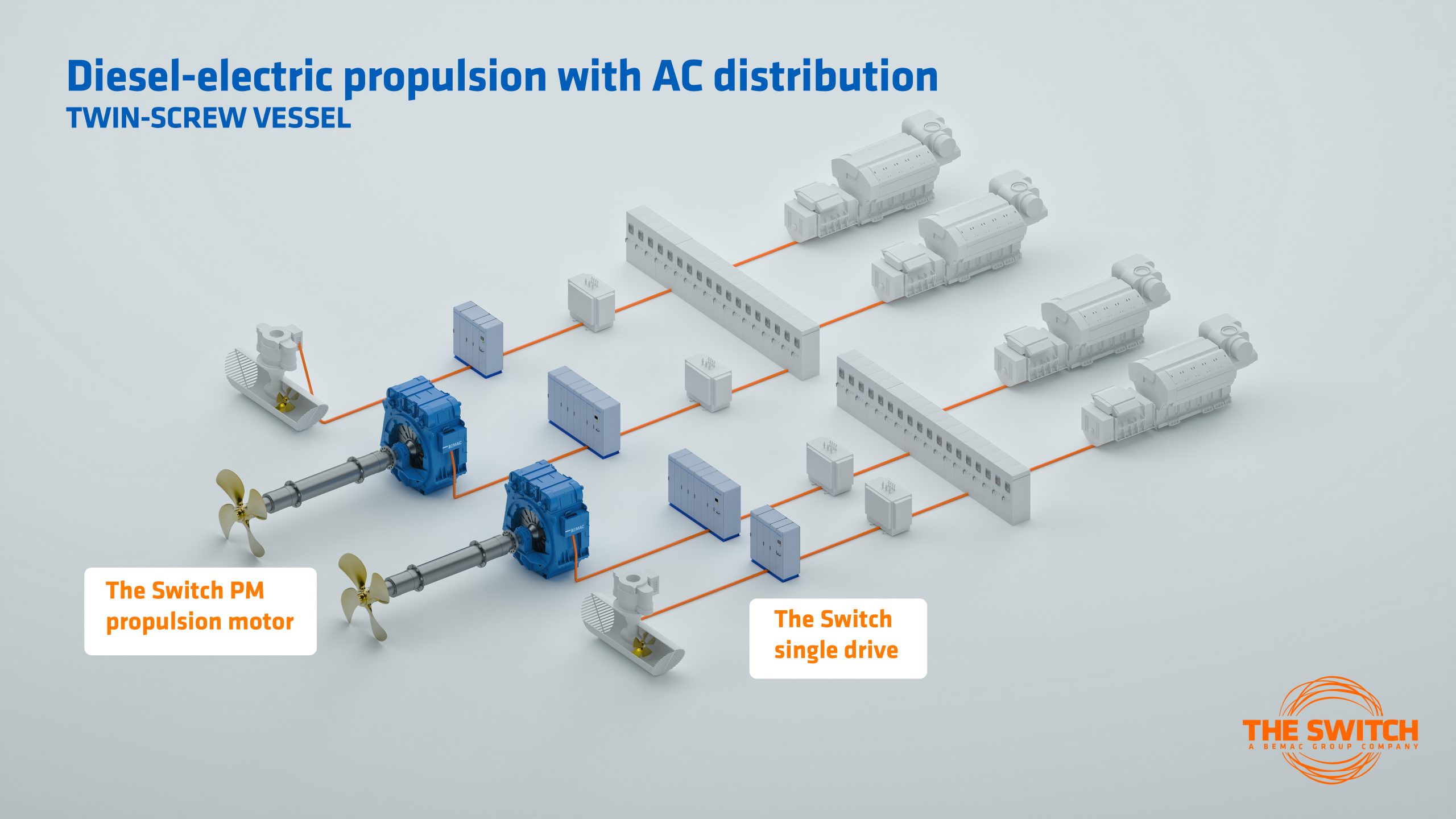
The Switch’s shaft generators and propulsion motors are designed to fit limited engine-room spaces, providing reliable, high-efficiency onboard power generation and hybrid propulsion capability. Combined with proven power electronics, these solutions give vessels the long-term flexibility to adapt to what’s next.

A typical bulk carrier installation can save around 200 tons of fuel, 600 tons of CO₂ and roughly USD 200,000 per year compared to a genset.
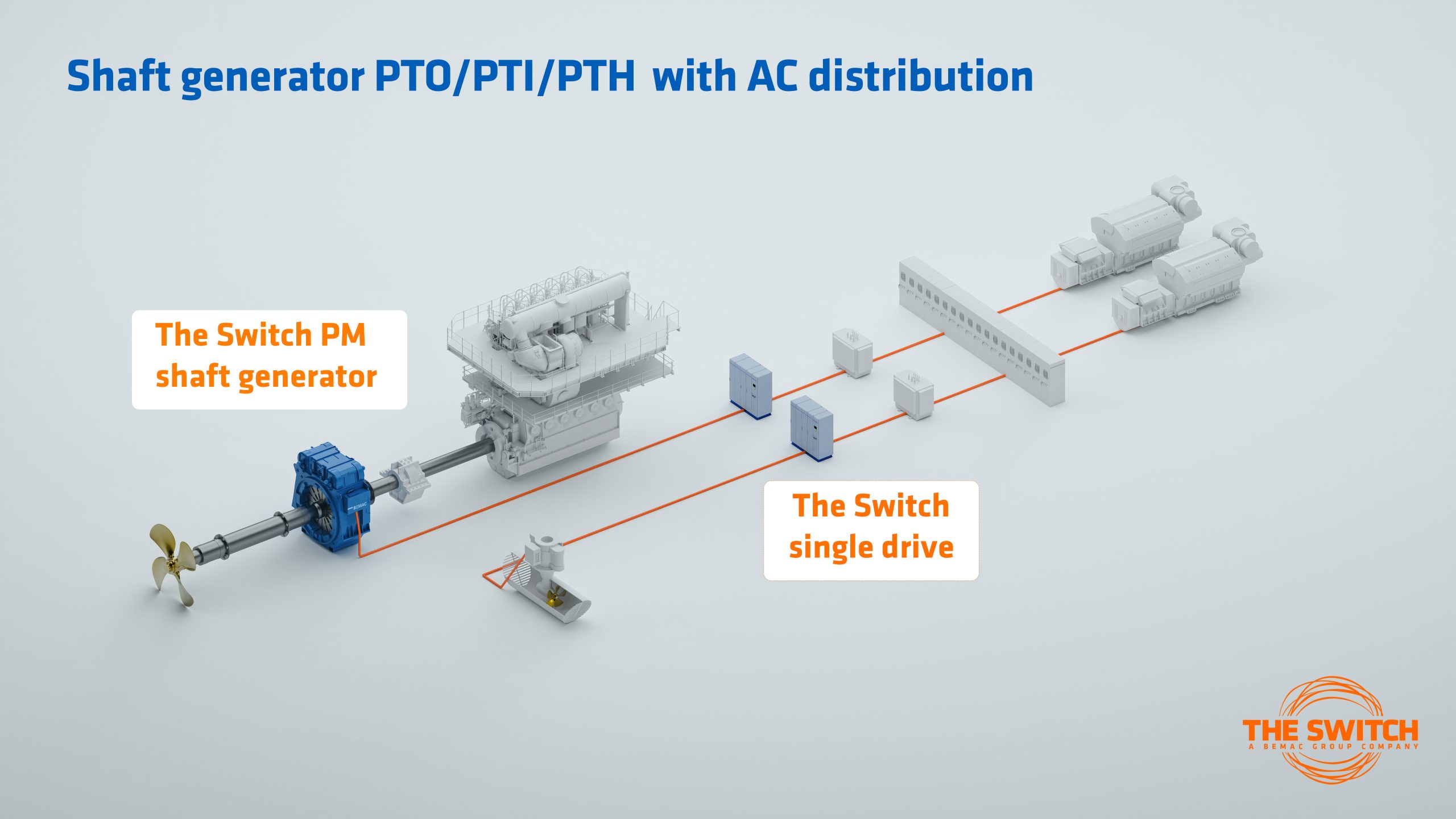
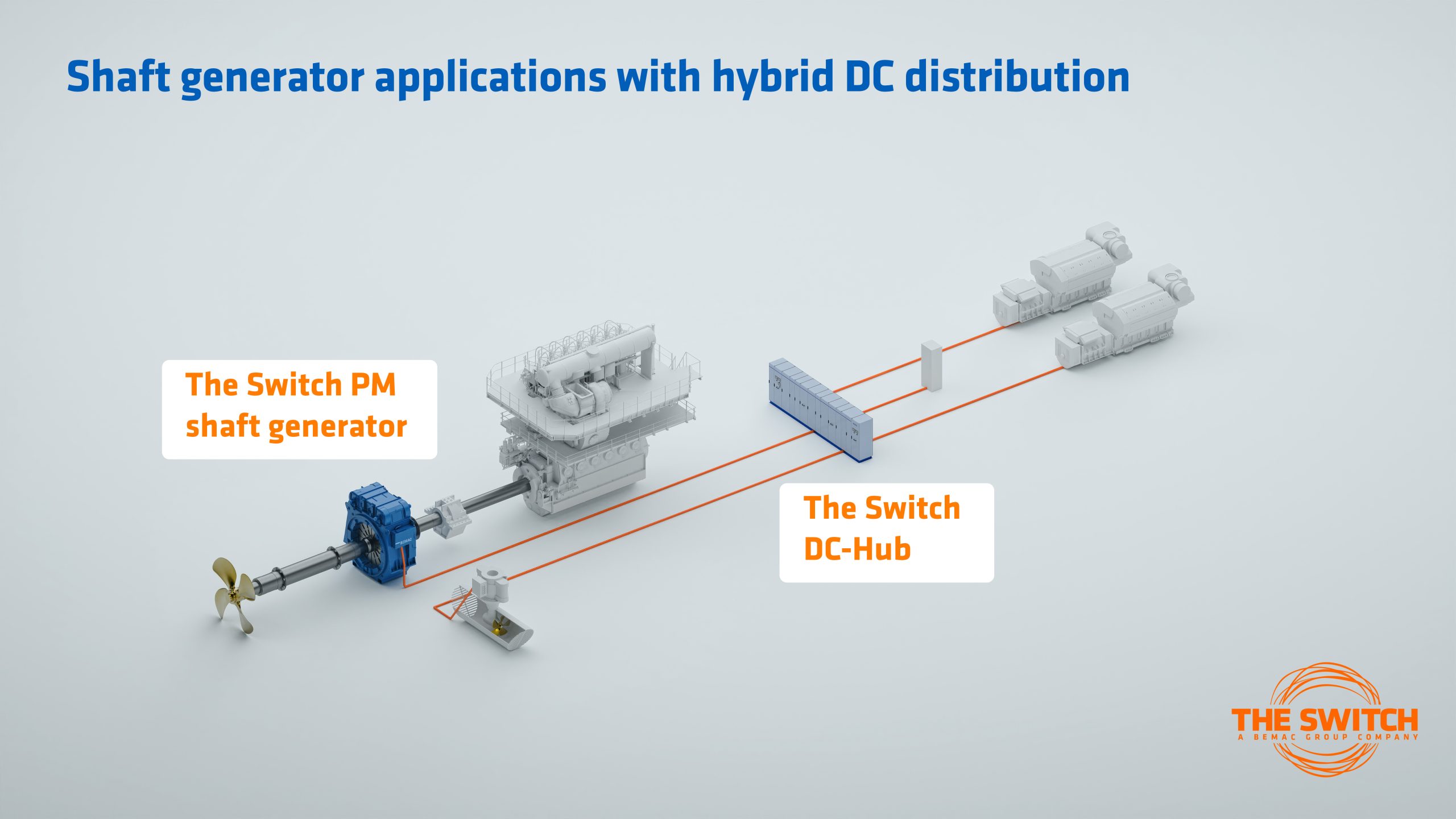
Marine solution concepts
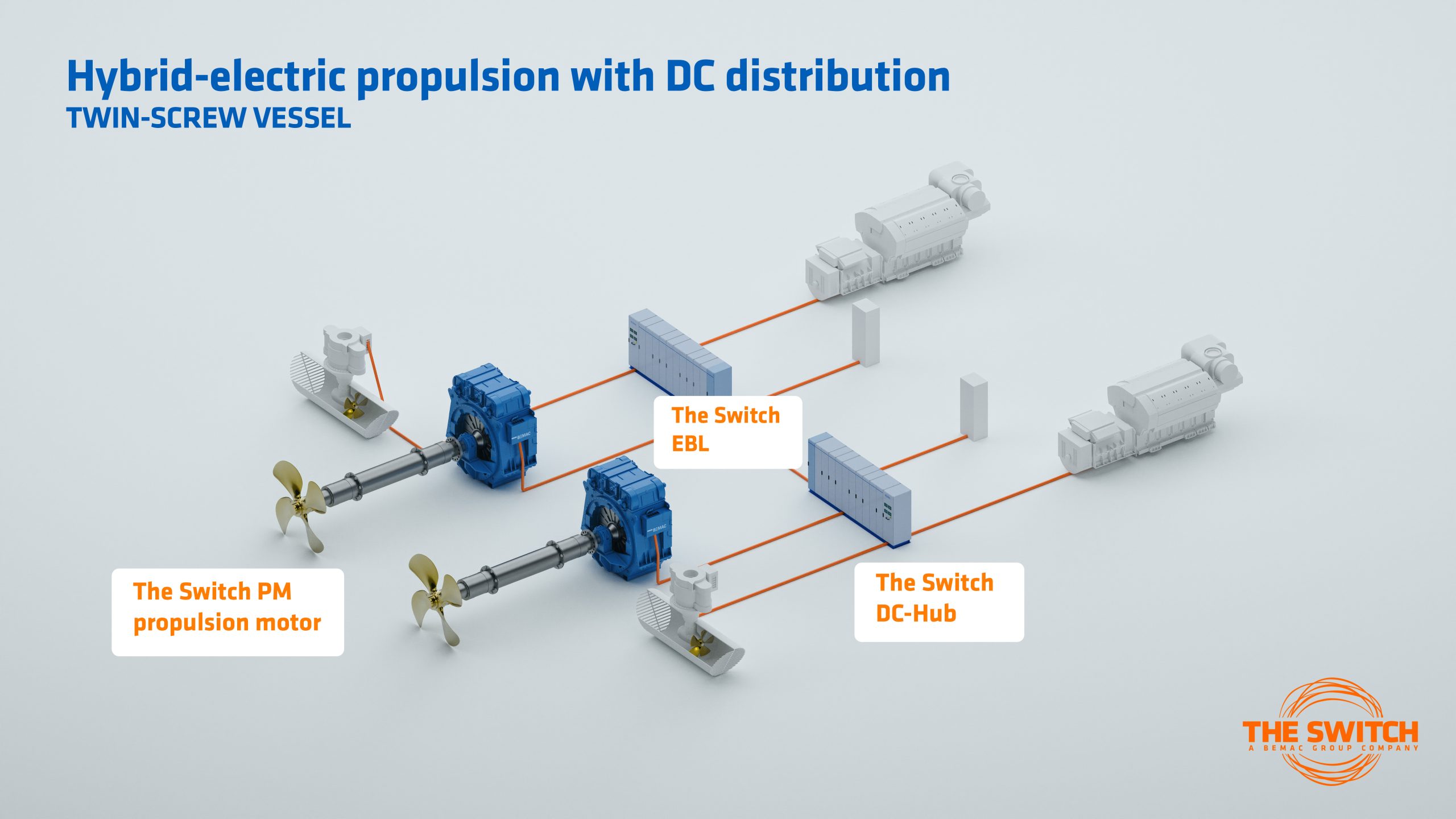
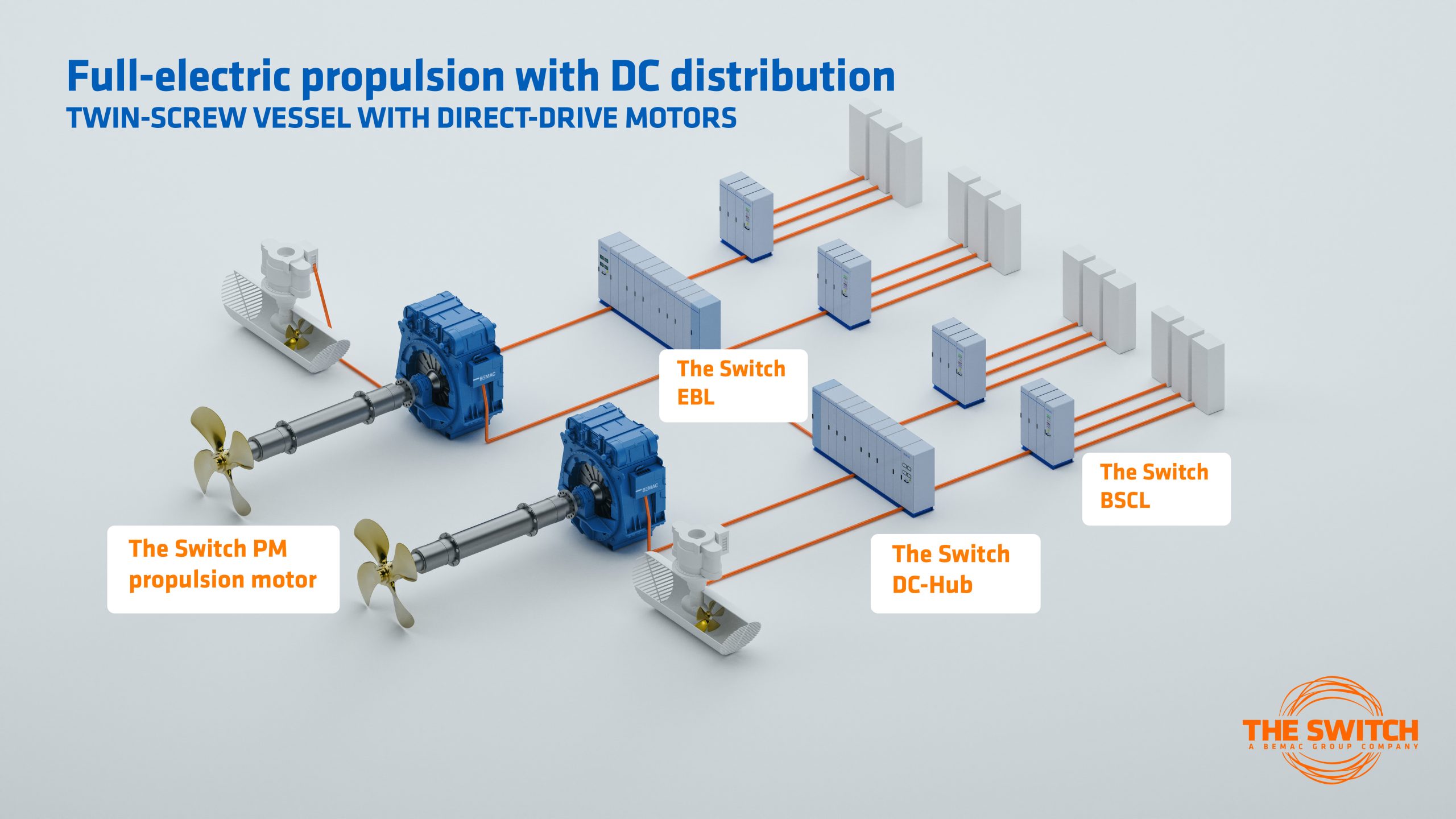
References
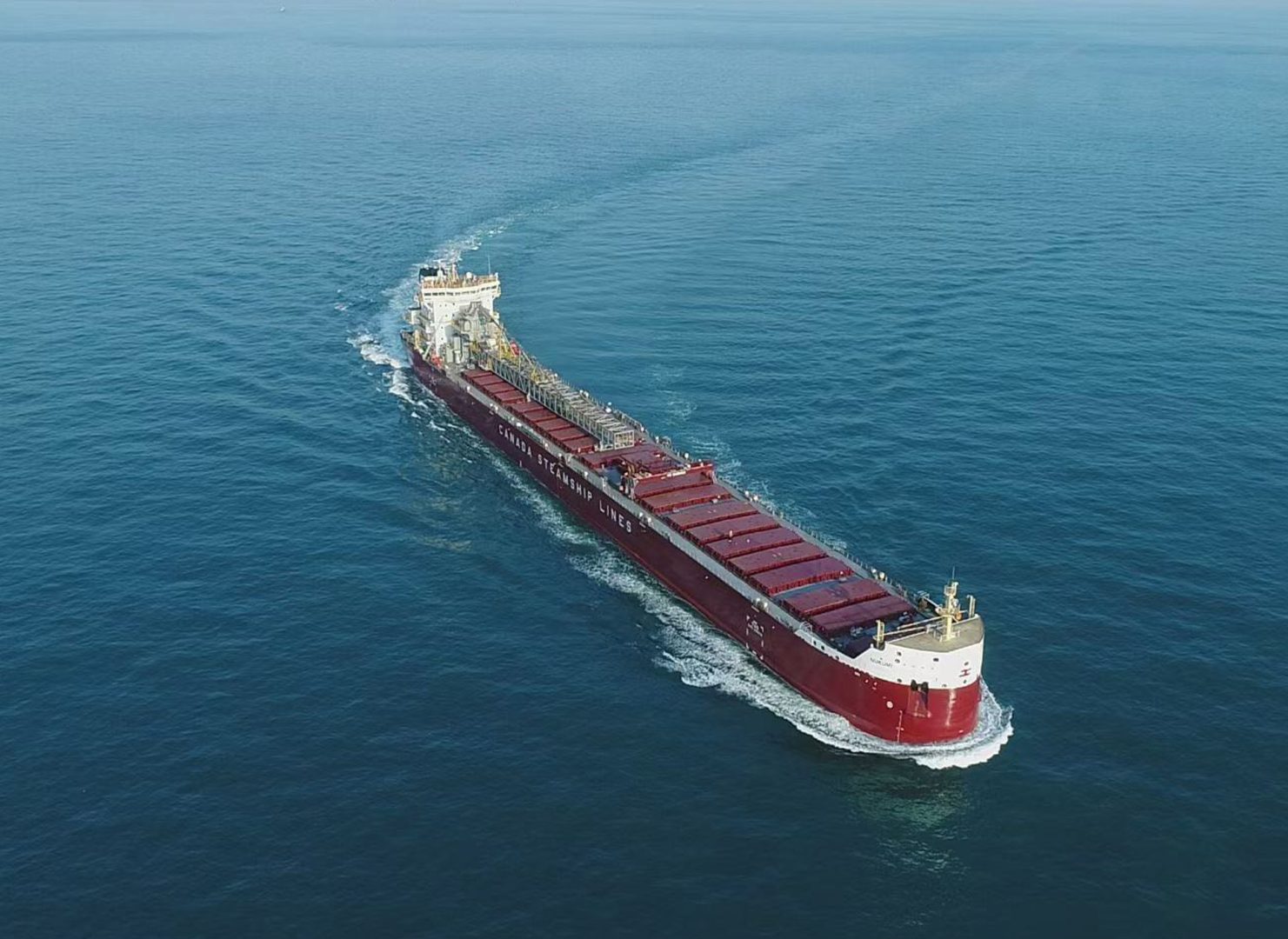
Canada Steamship Lines (CSL), Canada
Solution
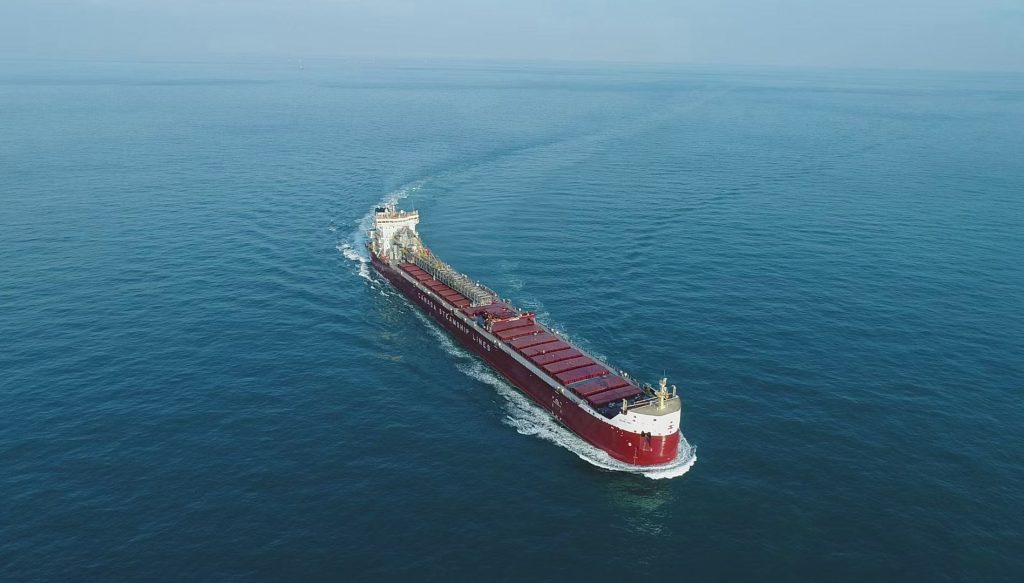
CSL commissioned a new state-of-the-art 26,000 dwt self-unloading vessel purpose-built for transporting Windsor Salt’s deicing salt. The vessel completed its inaugural loading in May 2022 and was designed with sustainability and operational efficiency in mind. Its diesel-electric Tier 3 propulsion system and optimized hull design help reduce emissions while improving overall energy efficiency.
Background
The vessel was equipped with The Switch’s innovative bearingless direct-drive propulsion machines and DC-Hub technology, including the Electronic Bus Link (EBL) and Electronic DC Breaker (EDCB). Together, these technologies provide a compact, reliable and OPEX-friendly propulsion solution that supports efficient and flexible vessel operations.
Results
The vessel was recognized as the IBJ Bulk Ship of the Year 2022, highlighting its innovative design and performance. The propulsion system has improved maneuverability and safety while reducing the vessel’s footprint. The solution enables up to 25% lower greenhouse gas emissions and up to 80% fewer harmful air pollutants compared to conventional alternatives. In addition, the integrated DC distribution system ensures reliable, redundant and efficient operation, even in critical fault situations.
Misje Eco Bulk, Norway
Background
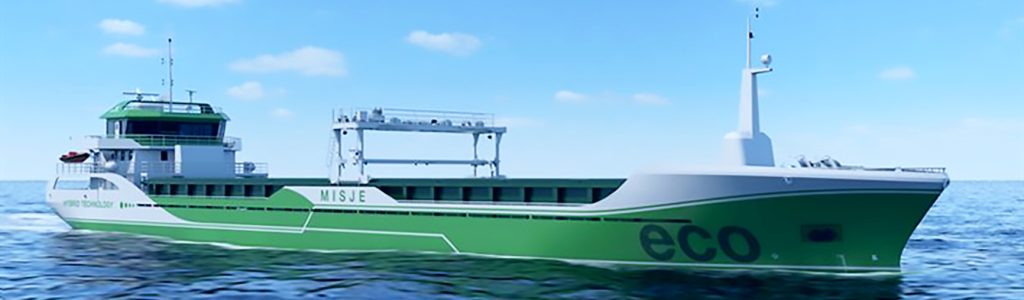
MISJE ECO BULK is a 5,000 dwt environmentally friendly bulk carrier designed for short sea shipping. The vessel was developed to support more sustainable and energy-efficient cargo transport while meeting future environmental requirements.
Solution
The vessel features Wärtsilä’s fully integrated hybrid solution, enabling zero-emission operations during normal harbor maneuvers and cargo handling through Power Take Out (PTO) and Power Take In (PTI) modes. The Take Me Home function also enables fully electric operation, additional flexibility and redundancy.
Results
The new-generation vessel is optimized for DC distribution, allowing efficient integration of multiple power sources and consumers. Its compact, fit-for-purpose design supports compliance with future IMO emissions targets while delivering fuel savings of up to 40%. The concept has attracted significant market interest, resulting in 10 vessel orders.
Berge Shipping, Norway
Background
MV Sandstad is an 8,500 dwt hybrid self-discharging bulk carrier developed for more efficient and environmentally sustainable cargo operations. The vessel also utilizes an electric excavator, supporting reduced emissions and greater operational flexibility.
Solution
The vessel features Berg Propulsion’s Electrical System Integration (ESI), which enables zero-emission harbor operations and cargo handling through Power Take Out (PTO) and Power Take In (PTI) modes. The Take Me Home function also enables fully electric operation while allowing the integration of the most suitable equipment to meet evolving decarbonization and zero-emission requirements.
Results
The compact hybrid solution delivers fuel savings of up to 50% while increasing system redundancy and operational reliability. Designed with future flexibility in mind, the vessel can adapt to changing environmental requirements and support the transition to lower-emission coastal bulk shipping.
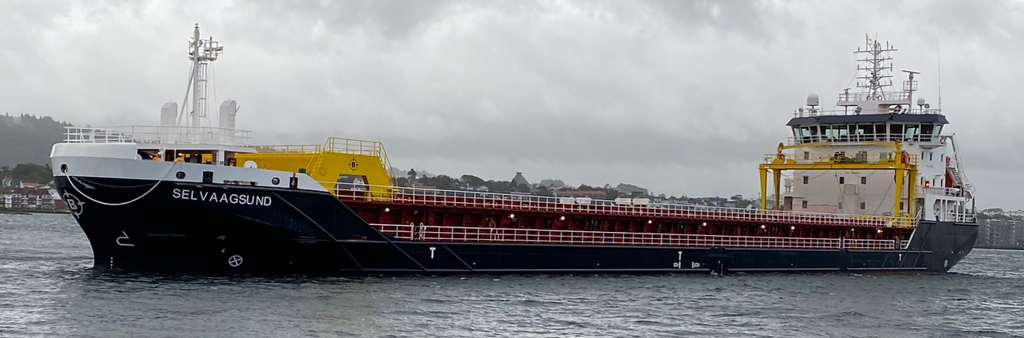
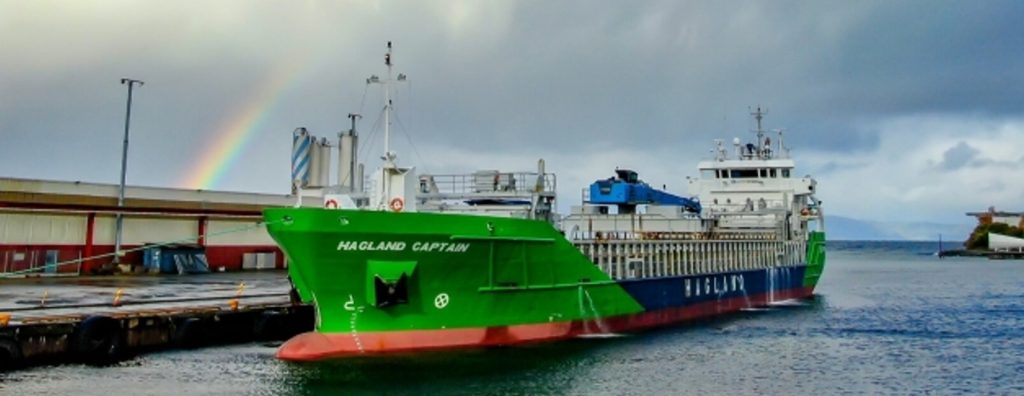
Hagland Shipping, Norway
Background
Hagland Captain is a 4,500 dwt self-discharging vessel that underwent a pioneering hybrid retrofit conversion to improve efficiency and environmental performance in short-sea shipping. The project demonstrates how existing vessels can be upgraded to meet stricter sustainability requirements without the need for newbuild investments.
Solution
The vessel was equipped with Wärtsilä’s fully integrated hybrid solution, combining battery technology with conventional propulsion systems. The onboard battery capacity enables up to 30 minutes of emission-free sailing when entering and leaving ports, while the Take Me Home functionality supports fully electric operation and enhances operational redundancy and safety.
Results
As the world’s first hybrid retrofit of a short-sea shipping vessel, Hagland Captain sets a benchmark for sustainable vessel modernization. The upgrade delivers up to 95% lower emissions, an 80–90% reduction in NOx emissions and fuel savings of 5–10%. The optimized DC distribution system efficiently integrates multiple power sources and consumers, while the compact design helps reduce noise and pollution in port areas and supports reliable, future-ready operations.