Driving efficient, resilient offshore operations
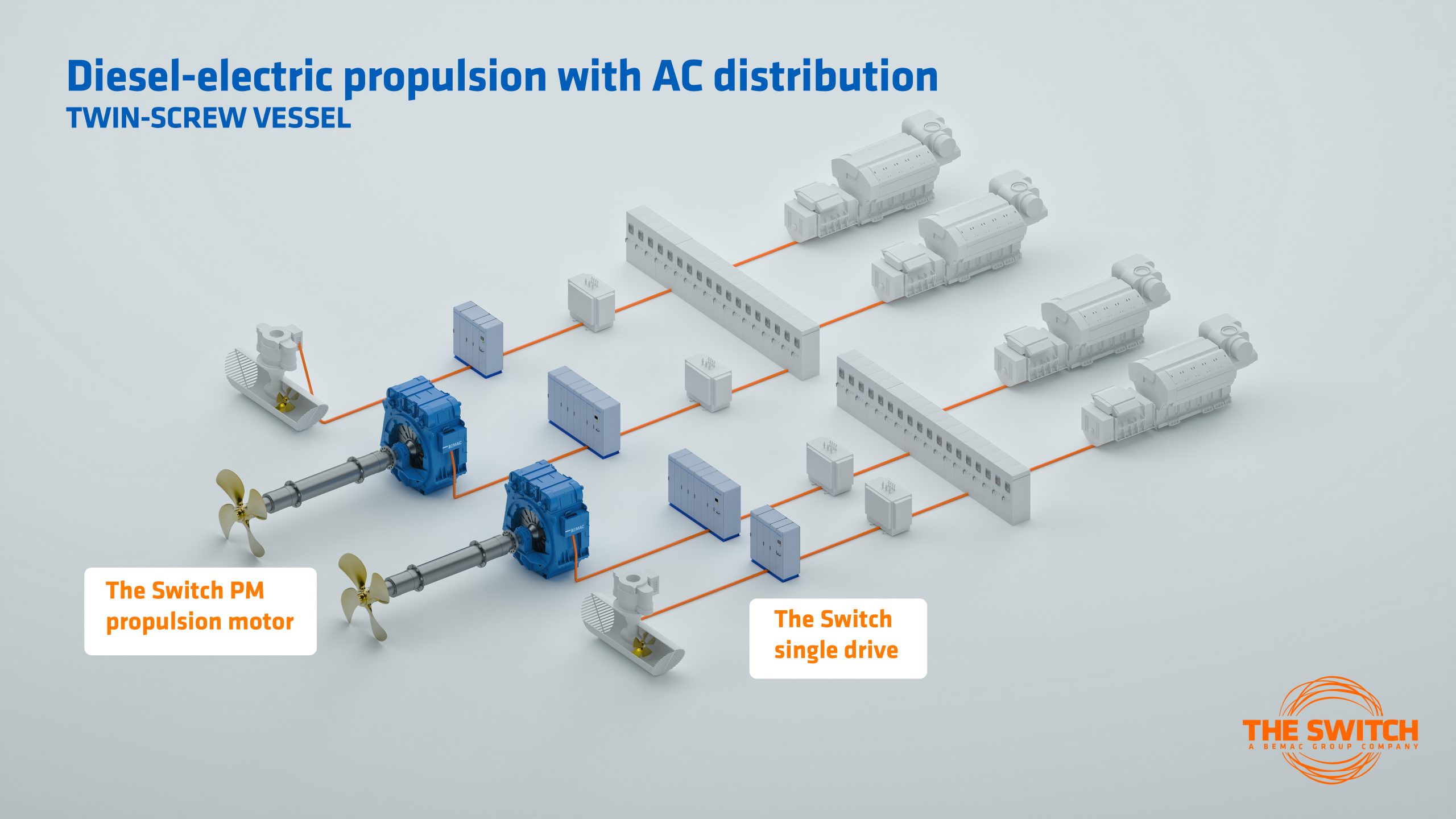
As offshore energy projects become increasingly complex and expand into deeper waters, cutting fuel consumption with advanced power electronics is central to staying competitive and compliant. With larger batteries and more sophisticated power systems on board, maintaining safety, fault tolerance and stable DP performance is an ever-greater challenge.
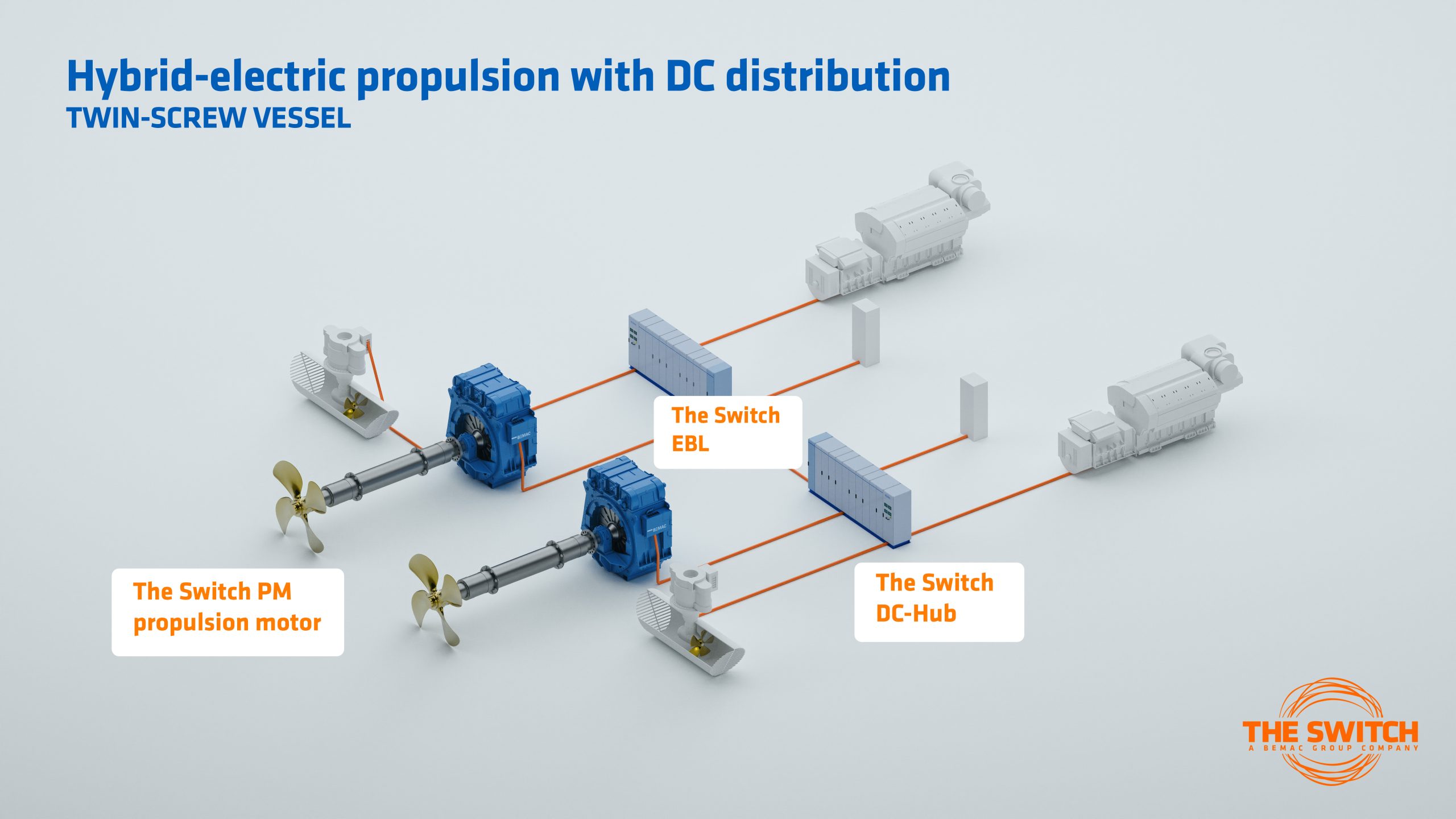
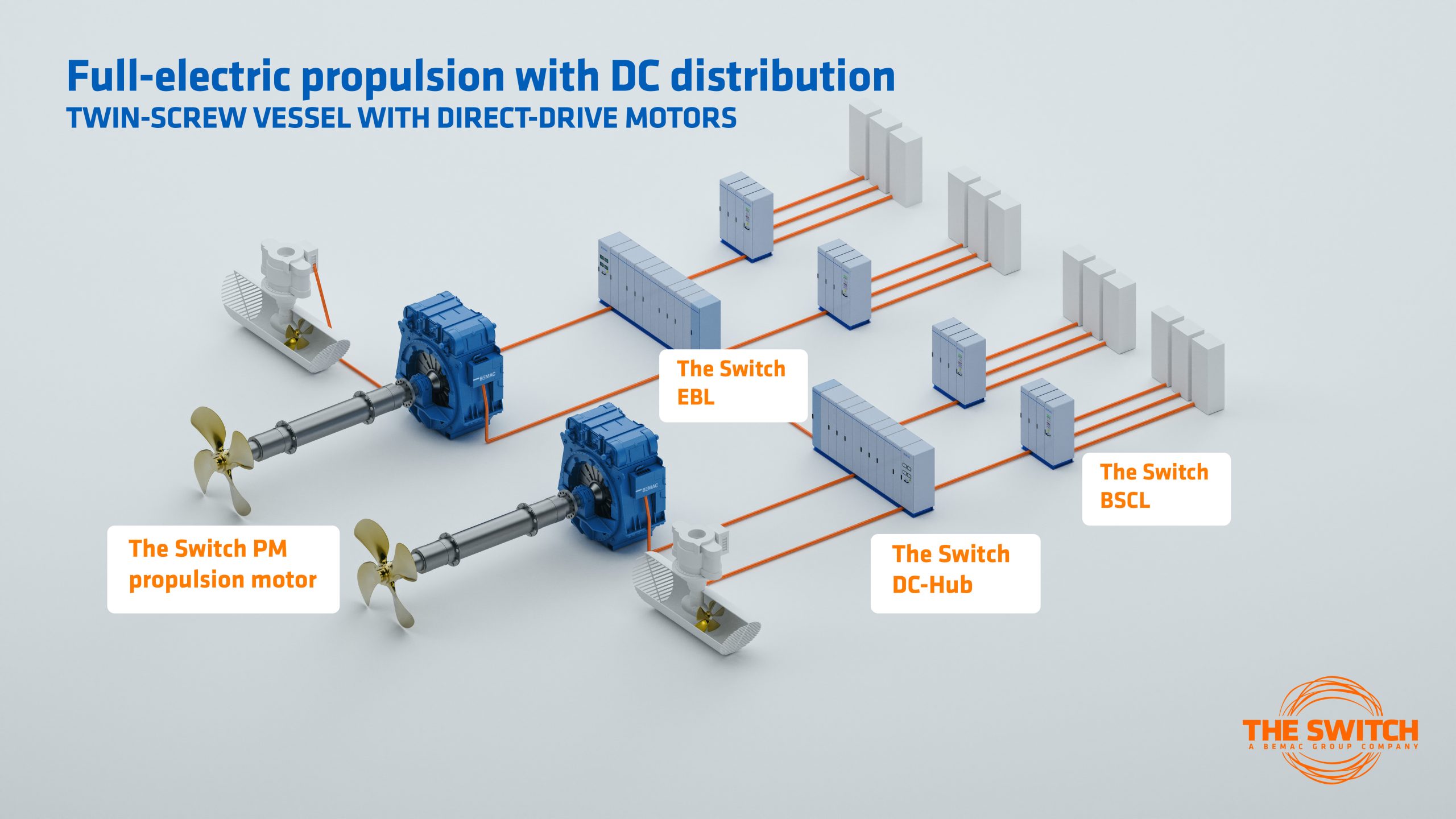
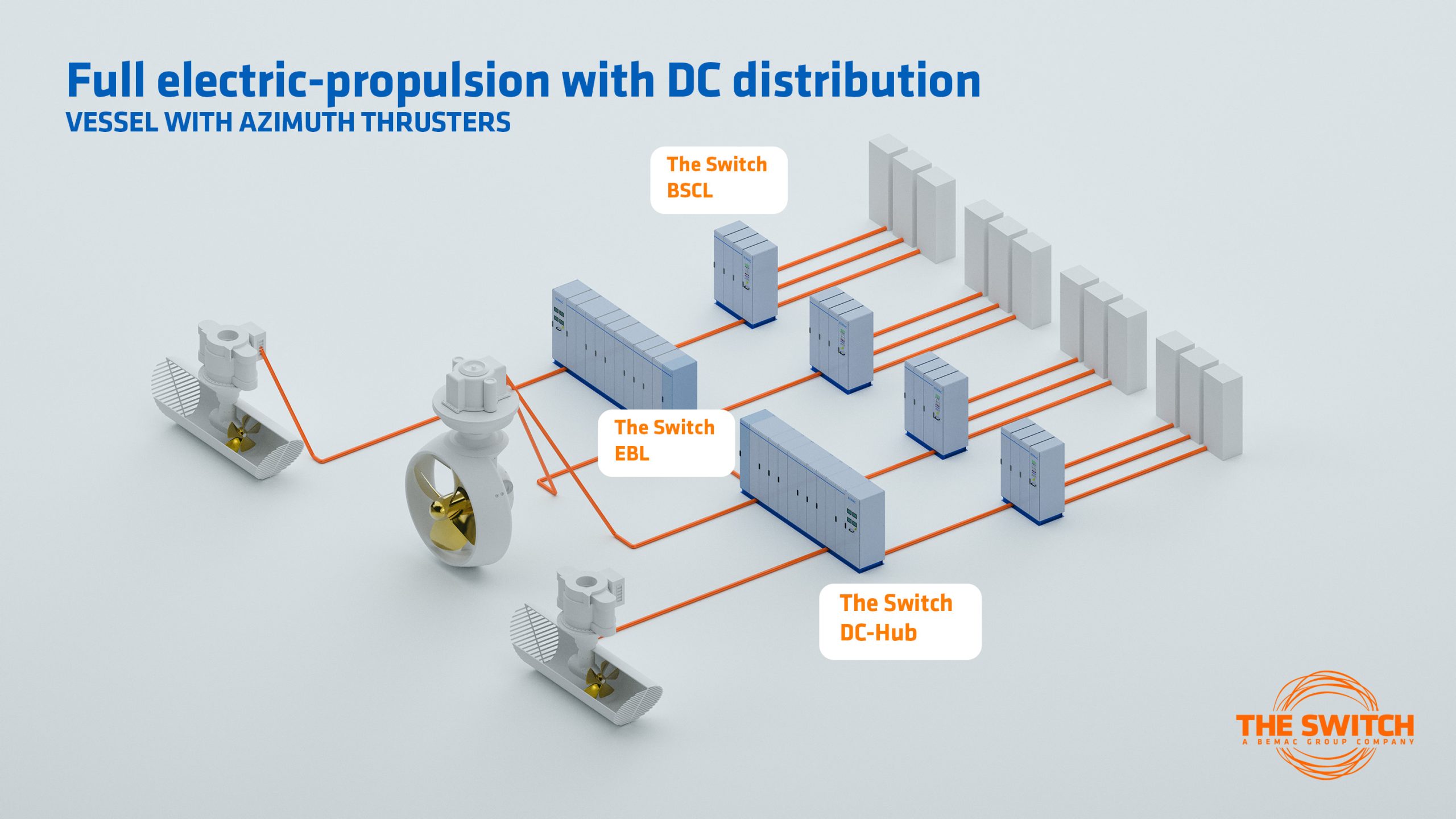
The Switch addresses this with proven DC-Hub architecture, a robust protection device suite and power electronics for battery retrofit projects. Our approach cuts fuel use and emissions, while optimizing DP performance. The result is a reliable and redundant power system ready for future energy sources.
In one customer installation, The Switch’s DC-Hub has reduced fuel consumption by 35% and increased power plant robustness in DP3 operation. Since 2019, the installation has saved around 2 million liters of fuel and around 5.5 million kg of CO₂ emissions annually
Marine solution concepts
References
North Sea Shipping, Norway
Background
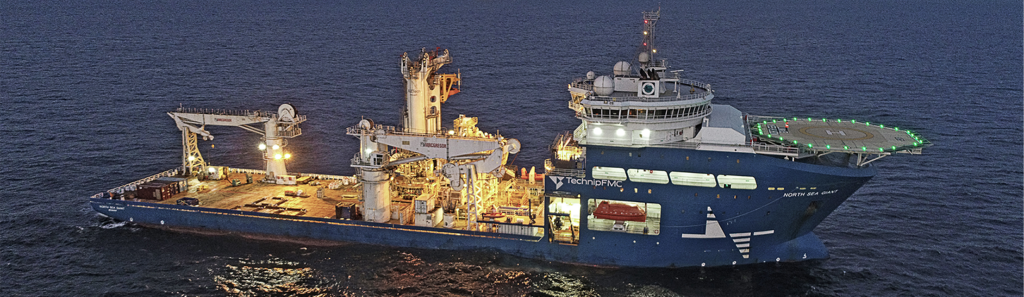
North Sea Giant is one of the world’s largest and most advanced subsea construction vessels. To further improve efficiency, safety and sustainability, the vessel became the first to install The Switch Electronic Bus Link (EBL). The existing power architecture consisted of a three-split AC switchboard with six generator sets operating under strict DP3 requirements.
Solution
The vessel was equipped with three The Switch DC-Hubs integrated with battery systems and connected through the innovative Electronic Bus Link (EBL). The EBL enables large-scale DC distribution by linking the vessel’s DC-Hubs and diesel engines while maintaining fault tolerance and operational reliability. During DP operations, the EBLs operate in a closed-ring configuration and can isolate faults within microseconds, ensuring uninterrupted and efficient operation even in critical situations.
Results
The solution has significantly improved operational flexibility, allowing the vessel to operate with only one diesel engine when appropriate instead of the conventional three. Since 2019, the vessel has saved nearly 2,000 tons of diesel fuel while reducing emissions and achieving fuel savings of up to 30% during DP operations. The battery-supported system also enables reduced diesel reserves and enhances redundancy, ensuring that faults no longer compromise operations while maximizing efficiency and safety.